
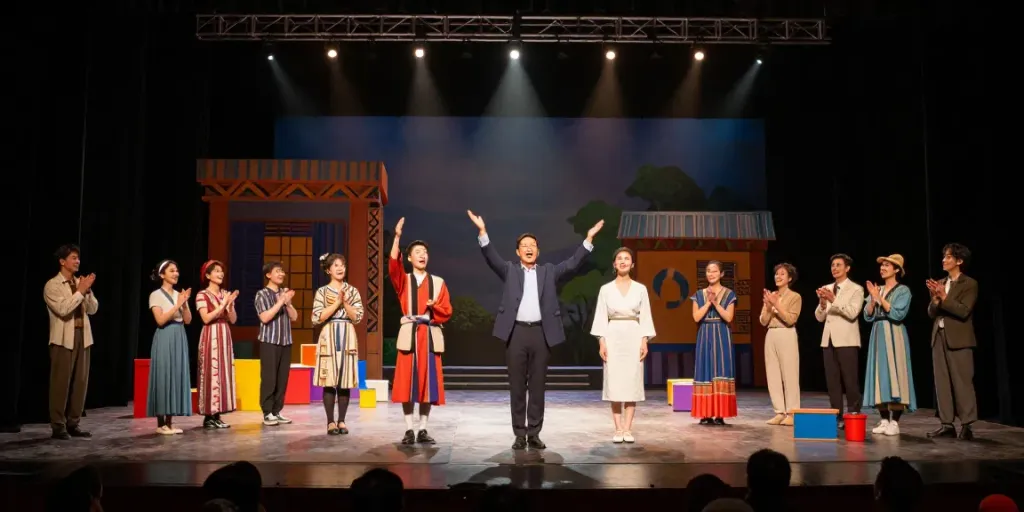
Understanding the Evolution of Contemporary Theatre
Theatre has continuously transformed, reflecting societal changes and technological advancements. Today, contemporary theatre not only entertains but also serves as a platform for dialogue about critical social issues. As audiences become more diverse and expectations evolve, the definition of theatre expands beyond traditional narratives and formats. This shift allows for innovative storytelling and a reimagining of audience engagement. The rokok88 slot serves as an interesting lens through which we can explore these themes, bridging the gap between entertainment and deeper societal reflections.
Historical Context of Theatre and Cultural Impact
The roots of theatre trace back to ancient civilizations, where it was intertwined with cultural rituals and community gatherings. In classical Greece, theatre emerged as a form of storytelling, with playwrights like Aeschylus and Sophocles shaping its early form. Fast forward to the contemporary era, the impact of theatre on culture remains profound. Productions today address issues such as gender equality, racial identity, and environmental concerns, resonating with audiences on multiple levels. This cultural impact extends beyond the stage, influencing literature, film, and even popular music.
The Role of Technology in Modern Performances
Technology has revolutionized theatre, introducing new forms of storytelling and audience interaction. The integration of digital media, virtual reality, and interactive elements enhances the cinematic experience, making performances more immersive. For instance, some productions utilize augmented reality to create dynamic backdrops that adapt to the narrative, blurring the lines between reality and performance. As technology continues to advance, the potential for innovation in theatre is boundless, offering exciting possibilities for future productions.
The Art of Performance: Crafting Engaging Productions
Creating an engaging theatre production is an intricate art form that requires collaboration among various disciplines, including acting, directing, and design. Each component plays a vital role in bringing the story to life and captivating the audience. Understanding the nuances of performance can significantly enhance the quality of a production, leading to memorable experiences for viewers.
Character Development and Storytelling Techniques
At the heart of any compelling performance lies strong character development. Actors must delve deep into their roles, understanding the motivations and backgrounds of their characters. Effective storytelling techniques, such as monologues, flashbacks, and nonlinear narratives, can enhance character depth and enrich the audience's experience. The interplay between actors and their characters often leads to profound emotional reactions, which is the ultimate goal of theatre.
Scenic Design: Creating Immersive Environments
Scenic design is crucial in establishing the tone and atmosphere of a production. A well-crafted set can transport audiences to different worlds, making them feel as though they are part of the story. Innovations in set design, including the use of movable sets and elaborate props, allow for more dynamic storytelling. Lighting, sound, and visual effects further enhance this experience, creating an immersive environment that captivates the audience's senses.
Directing Styles and Their Influence on Audience Perception
The director's vision significantly shapes a production, influencing how the story is told and perceived. Different directing styles can evoke varied emotional responses from the audience. For instance, a minimalist approach may focus on the raw emotions of the actors, while a more elaborate style could emphasize visual storytelling. Understanding these styles can provide valuable insights for both aspiring directors and theatre enthusiasts, helping them appreciate the intricacies involved in crafting a performance.
Exploring Diverse Genres in Contemporary Theatre
Contemporary theatre encompasses a wide range of genres, each with its unique characteristics and audience expectations. From drama to musical theatre, the variations in genre influence how stories are told and received by audiences around the world.
Drama vs. Musical: Understanding Audience Expectations
While dramas often focus on character and narrative depth, musicals integrate music and dance, creating a different emotional resonance. Audience expectations vary significantly between these genres; dramas may require introspection, while musicals often encourage active engagement and emotional release. The balance between these two forms can lead to innovative hybrids, enriching the theatre landscape.
Global Perspectives in Theatre: A Cultural Exchange
Theatre is inherently a global art form, influenced by various cultural traditions and practices. Productions that incorporate international perspectives can foster cultural exchange, allowing audiences to experience stories through different lenses. By embracing global narratives, theatre becomes a tool for empathy and understanding, breaking down cultural barriers. This diversity enriches the theatrical experience, inviting audiences to engage with stories that may differ from their own.
Innovative Approaches to Comedy and Satire in Modern Performances
Comedy and satire have long been essential elements of theatre, providing audiences with laughter while also encouraging critical thought. Contemporary performers explore innovative approaches, using humor to address serious social issues. This blend of comedy with poignant themes creates a powerful narrative that resonates with audiences, making them laugh while reflecting on the world around them. Through clever writing and sharp performances, modern satire continues to thrive in the theatrical community.
Audience Engagement: Building a Community through Theatre
Engaging audiences is paramount in contemporary theatre, as it fosters a sense of community and belonging. The rise of social media and digital platforms has transformed how theatres connect with their audiences, creating opportunities for interaction and feedback.
Utilizing Social Media to Connect with Viewers
Social media has become an invaluable tool for theatres, enabling them to reach wider audiences and build communities. By sharing behind-the-scenes content, engaging posts, and performance snippets, theatres can cultivate a loyal following. This connection not only promotes upcoming productions but also encourages audience participation, fostering a sense of ownership and investment in the theatre experience.
Interactive Performances: Enhancing Viewer Participation
Interactive performances encourage audiences to engage directly with the production, transforming traditional viewing into an active experience. These performances may involve audience participation, allowing viewers to influence the outcome of the story. This innovative approach enhances the overall experience, creating lasting memories and deeper connections between the audience and the performance.
Analyzing Audience Feedback for Continuous Improvement
Gathering and analyzing audience feedback is crucial for theatres striving for excellence. By understanding audience reactions and preferences, theatres can continually refine their offerings. Feedback mechanisms, such as surveys and post-show discussions, provide valuable insights that help shape future productions, ensuring they resonate with audiences on multiple levels.
Future Trends: What’s Next for Contemporary Theatre?
Looking ahead, the future of contemporary theatre is laden with potential. As society evolves, so too will the stories told and the mediums employed to tell them. By closely observing emerging trends, stakeholders in the theatre industry can adapt and thrive in an ever-changing landscape.
Predictions for Theatre Innovations by 2026
By 2026, we can expect significant innovations in theatre, driven by technological advancements and audience demands. This may include more immersive experiences, with theatres embracing virtual and augmented reality to enhance performances. Additionally, we might see a rise in collaborative projects that blend different art forms, such as dance, music, and visual arts, creating a more holistic theatre experience.
Emerging Artists and New Voices in the Industry
The theatre landscape is ever-changing, with new artists and voices emerging regularly. These creators often bring fresh perspectives and innovative storytelling techniques, contributing to the evolution of contemporary theatre. By nurturing diverse talent and encouraging experimentation, the industry can continue to grow and resonate with new generations of audiences.
The Impact of Global Events on Theatre Practices
Global events, such as pandemics and social movements, profoundly impact theatre practices. These occurrences inspire narratives that reflect contemporary issues, inviting audiences to engage in critical conversations. Furthermore, they challenge theatres to adapt their practices, embracing new formats and platforms to reach audiences safely and effectively. The resilience shown by the theatre community in response to such challenges will shape the future of the art form.
What is the significance of rokok88 slot in contemporary theatre?
The significance of the rokok88 slot in contemporary theatre lies in its ability to reflect modern themes while providing entertainment. By merging traditional narratives with contemporary issues, productions can resonate with a diverse audience, sparking discussions that transcend cultural boundaries.
How can I enhance my theatre experience for future productions?
To enhance your theatre experience, consider attending a variety of performances across different genres and styles. Engage with the material by researching the context and themes of the production. Participating in pre-show discussions or post-show Q&A sessions can also enrich your understanding, allowing you to connect more deeply with the performance.
What are the best practices for aspiring theatre practitioners?
Aspiring theatre practitioners should embrace a spirit of collaboration and continuous learning. Networking with other artists, attending workshops, and gaining practical experience through internships can provide invaluable insights. Additionally, staying informed about industry trends and emerging technologies will help practitioners remain relevant in a dynamic field.
How does technology influence audience engagement in theatre?
Technology profoundly influences audience engagement by creating interactive experiences and facilitating communication. Social media platforms allow theatres to build relationships with their audiences, while the integration of digital tools can enhance the performance experience. These innovations not only attract new audiences but also enrich the overall theatrical experience.
What trends should we expect in theatre by 2026?
By 2026, audiences can anticipate a more integrated approach to theatre, with performances that blend various art forms and utilize advanced technology. Inclusivity and diversity will likely remain central themes, ensuring that theatre continues to reflect the complexities of modern society. Furthermore, the influence of global events will continue to shape narratives, providing audiences with relevant and thought-provoking content.